English
 Русский
 Español
 简体中文
简体中文 لالعربية
How should the ventilation system of the sandblasting room be maintained and serviced
release time:
2026-07-31
The ventilation system of the sandblasting room is a core device for controlling
The ventilation system of the sandblasting room is a core device for controlling dust diffusion and ensuring operation safety. It requires systematic maintenance such as regular cleaning, component inspection, and performance calibration to ensure its long-term stable operation. The specific maintenance and care plan is as follows:
daily maintenance
Pre-shift functional check
Start the ventilation system and observe the operation status of the fan: there should be no abnormal noise or severe vibration, and the air volume at the outlet should be uniform. Confirm that the fan's rotation direction is correct (avoid reverse rotation causing insufficient air volume).
Check the connection points of the air ducts and the sealing gaskets of the flanges: there should be no damage and no air leakage to prevent dust from escaping through the gaps and polluting the workshop environment.
Confirm that the air valve adjustment device is flexible and effective. According to the sandblasting operation volume of the current shift, pre-adjust it to the appropriate air volume gear.
Clean up after work
Filter cartridge/bag dust collector cleaning: If it is a pulse bag dust collector, after the operation is completed, start the automatic cleaning program (pulse blowing 3-5 times) to remove the dust adhering to the surface of the filter bags. If it is a cartridge dust collector, manually disassemble the cartridges and use compressed air (pressure ≤0.5MPa) to blow the dust from the inner side of the cartridges outward to prevent high-pressure air flow from penetrating the filter material.
Dust collection hopper cleaning: Open the discharge valve of the dust collection hopper at the bottom of the dust collector to thoroughly remove the collected dust. It is strictly prohibited for the accumulated dust to exceed 1/3 of the hopper body to prevent the dust from getting damp and caking or causing secondary dust raising.
Air duct and air outlet cleaning: Use compressed air to blow the inner walls of the air ducts and the grilles at the air outlets to remove adhering dust and prevent pipe blockage that could lead to air volume reduction.
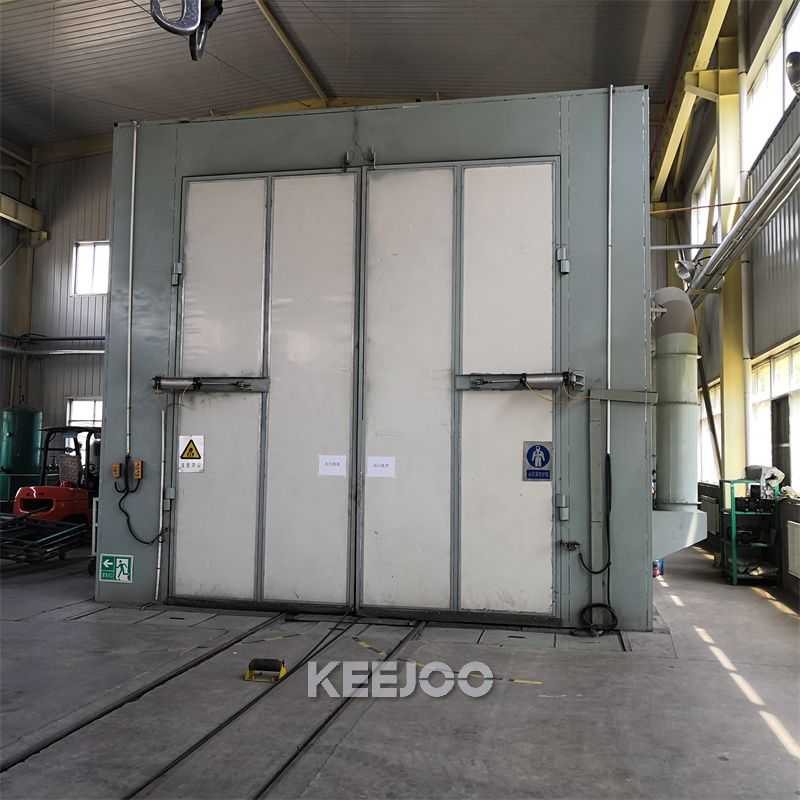
maintenance routine
Weekly in-depth inspection
Fan system inspection
Check the temperature of the fan bearings: The temperature rise of the bearings during operation should be ≤40℃. If the temperature is too high, it is necessary to check whether the lubrication is insufficient or the bearings are worn.
Supplementary grease: Add high-temperature resistant and anti-dust grease to the fan bearings. The addition amount should be 1/3 to 1/2 of the bearing cavity volume to avoid excessive use which may cause heat accumulation.
Tighten the anchor bolts of the fan base and the motor: Prevent the bolts from loosening due to long-term vibration, which may cause equipment displacement or abnormal noise.
Inspection of dust removal filter materials
Check each filter bag/cartridge one by one: If any damage, holes or bag clogging (dust caking that cannot be cleaned) is found, replace them immediately. If the filter material ages and hardens, it needs to be replaced in batches even if it is not damaged to ensure the dust removal efficiency.
Check the pulse jet system: Ensure that the solenoid valve operates sensitively, the jet pipe is not clogged, and the nozzle is aligned with the opening of the filter bag to prevent filter bag clogging due to jet failure.
Monthly performance calibration
Air volume test: Use an anemometer to measure the wind speed at the air outlet, calculate the actual air volume, and compare it with the designed air volume. The deviation should be controlled within ±10%. If the air volume is insufficient, check whether it is due to filter material blockage, dust accumulation in the air duct or slippage of the fan belt (belt-driven fan).
Sealing performance test: Shut down the ventilation system, block the air outlet, and use a smoke generator or soapy water to inspect the welds and flange connections of the air ducts. If any air leakage points are found, repair the welding or replace the sealing gasket in time.
Electrical system inspection: Check whether the terminal blocks of the fan motor and control box are loose and whether the insulation layer is intact. Clean the dust inside the control box to prevent short-circuit faults.
Quarterly/annual maintenance
Comprehensive quarterly maintenance
Disassemble and inspect the fan: Clean the accumulated dust inside the bearings, check the degree of bearing wear. If the balls show pitting or the clearance is too large, replace the bearings immediately.
Inspect the fan impeller: Remove the dust and lumps adhering to the surface of the impeller to prevent severe vibration caused by impeller imbalance. If the impeller is severely worn (such as being rapidly eroded by sandblasting dust), it should be repaired by welding or replaced.
Calibrate the parameters of the pulse controller: Adjust the injection interval and injection time to ensure the best cleaning effect and avoid excessive injection damaging the filter material.
Annual performance evaluation and maintenance
Entrust professional institutions to test the dust removal efficiency and emission concentration to ensure compliance with national environmental protection standards (such as the "Integrated Emission Standard of Air Pollutants"). If the emissions exceed the standard, the filter material needs to be upgraded or the ventilation system design optimized.
Replace aging parts: such as fan belts, gaskets, solenoid valve diaphragms and other vulnerable parts. Develop a spare parts purchase list to ensure emergency replacement needs.
Carry out anti-corrosion treatment on the entire ventilation system: The sandblasting dust is mostly acidic or alkaline. Regularly spray anti-corrosion paint to extend the service life of the air ducts and dust collectors.
Maintenance and care precautions
Safety Operation Specifications
Before maintenance, the main power supply of the ventilation system must be cut off and a "Do Not Close" warning sign hung to prevent accidental start-up and injury.
When entering the interior of the dust collector for maintenance, one must wear a dust mask and shockproof goggles, fasten the safety rope, and have a dedicated person supervise.
Requirements for dust treatment
The sandblasting dust cleared out should be sealed and bagged, and handed over to a qualified unit for disposal. It is strictly prohibited to dump it at will to avoid secondary pollution.
In a humid environment, it is necessary to prevent dust from clumping: A dehumidification device can be installed inside the dust collector, or the dust collection hopper can be checked regularly for leakage.
Establish and maintain archives
Record the time, content, model of replaced parts and air volume test data of each maintenance. Based on the operating status of the equipment, optimize the maintenance cycle (for example, shorten the cleaning interval when operating under high load).
label:
related news