English
 Русский
 Español
 简体中文
简体中文 لالعربية
The Century-Long Evolution of Shot Blasting Machines
release time:
2026-07-31
In modern industrial manufacturing systems, shot blasting machines are core equi
In modern industrial manufacturing systems, shot blasting machines are core equipment for metal surface treatment and strengthening. Over the past century, they have evolved from simple manual rust removal tools into industrial equipment that integrates intelligent control, precision strengthening, and green efficiency, completing the leap from "manual labor" to "technology".
Starting Point: From Manual Sandblasting to Mechanical Shot Blasting
A century ago, cleaning castings relied on workers using handheld spray guns. The workshops were filled with dust, and the process was inefficient, only meeting basic rust removal needs. Precision, environmental friendliness, and safety were all compromised.
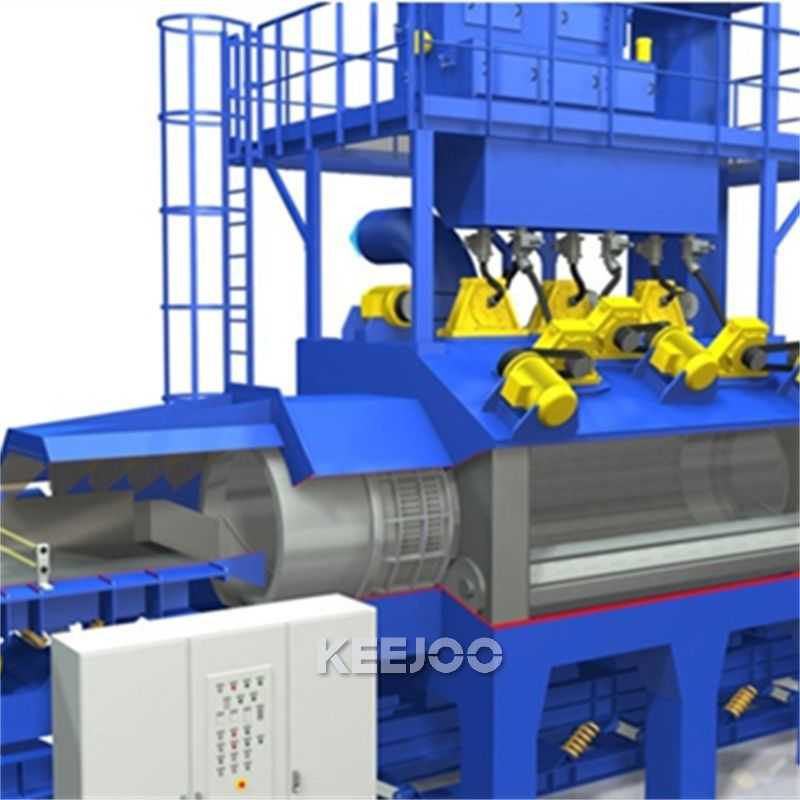
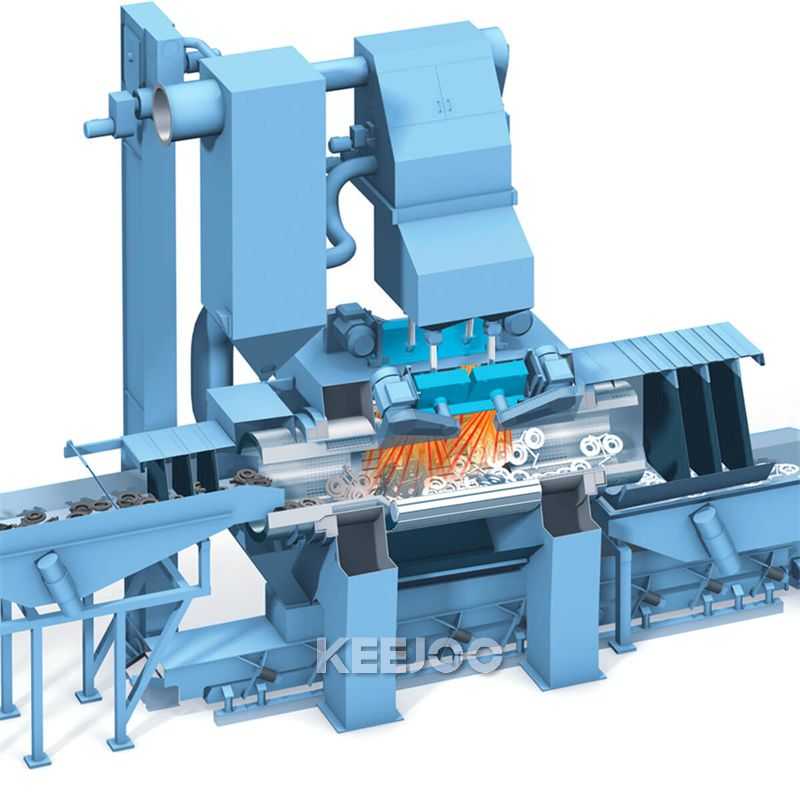
In the 1950s, the first generation of mechanized shot blasting machines was introduced. Centrifugal impellers replaced manual spray guns, enabling continuous shot blasting and increasing efficiency by dozens of times. At that time, the equipment was bulky and noisy, a typical example of "powerful but crudely made" industrial equipment.
Advanced: From "Cleansing" to "Enhancing"
In the 1980s, the rapid rise of high-end manufacturing industries such as automobiles and aviation drove the upgrading of shot blasting technology.
Engineers discovered that high-speed shot impact can form a residual compressive stress layer on the metal surface, significantly improving the fatigue life of parts. As a result, shot blasting machines have expanded their surface strengthening function: spring life is increased by 5 times, gear durability is greatly improved, and they have officially shifted from "rough work" to "precise technical work".
Leap Forward: The Intelligent Era – Combining Precision and Flexibility
In the 21st century, digitalization and intelligentization are reshaping the shot blasting industry.
The new generation of shot blasting machines is equipped with real-time sensors and AI intelligent algorithms, automatically adjusting the blasting angle, shot flow rate, and impeller speed. Working in conjunction with robots, it covers complex workpieces without blind spots, offering controllable precision and enhanced stability. The equipment is adaptable to different materials and working conditions, capable of handling heavy castings as well as achieving fine polishing, achieving "precision, efficiency, and low noise."
In conclusion, from manual rust removal to intelligent enhancement, from extensive operation to precision control, shot blasting machines have undergone a transformation in quality over the past century. What remains unchanged is that the high-speed rotating impeller continues to provide powerful momentum for industrial manufacturing, continuously empowering high-end manufacturing and green production.
label:
related news